The road to becoming pregnant is often underlined with unexpected twists. What’s worse is that sometimes, understanding your own body becomes the most difficult activity. Hormonal changes, irregular periods, and concerns about ovulation often leave your mind plagued with questions, the answers to which seem to be far away. This is where PCOD and PCOS …
The road to becoming pregnant is often underlined with unexpected twists. What’s worse is that sometimes, understanding your own body becomes the most difficult activity. Hormonal changes, irregular periods, and concerns about ovulation often leave your mind plagued with questions, the answers to which seem to be far away. This is where PCOD and PCOS enter the picture!
In May 2026, an international consensus published in The Lancet renamed PCOS as polyendocrine metabolic ovarian syndrome (PMOS), though diagnoses and clinical guidelines still use PCOS for now. The good news? Well, you won’t have to feel overwhelmed by changing terminology or the topic itself. We are here to help you understand these conditions effortlessly, know how they affect the normal ovulation process, and what they mean for your fertility health.
Difference between PCOD and PCOS: A comparative study
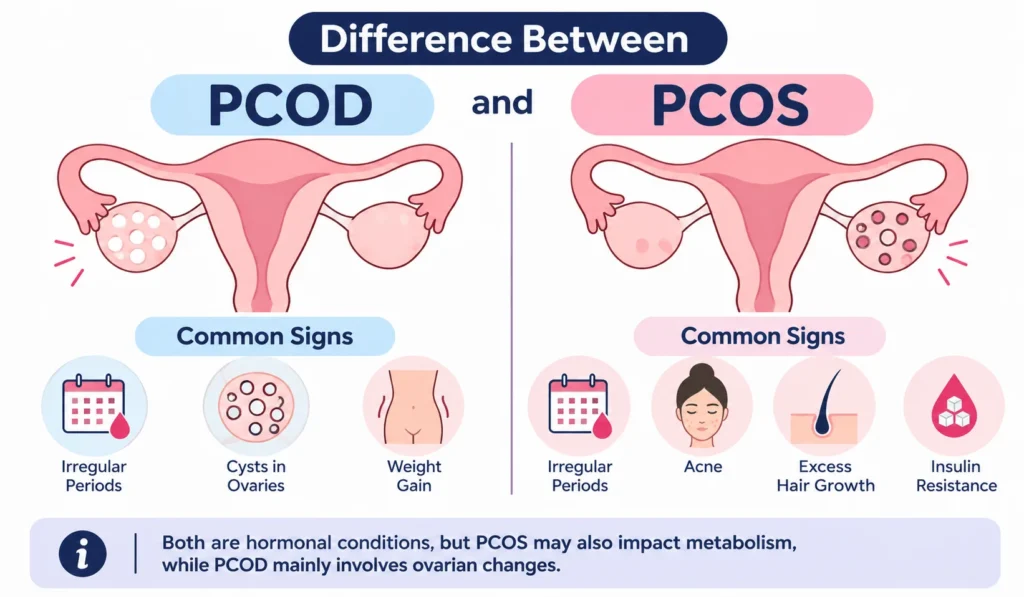
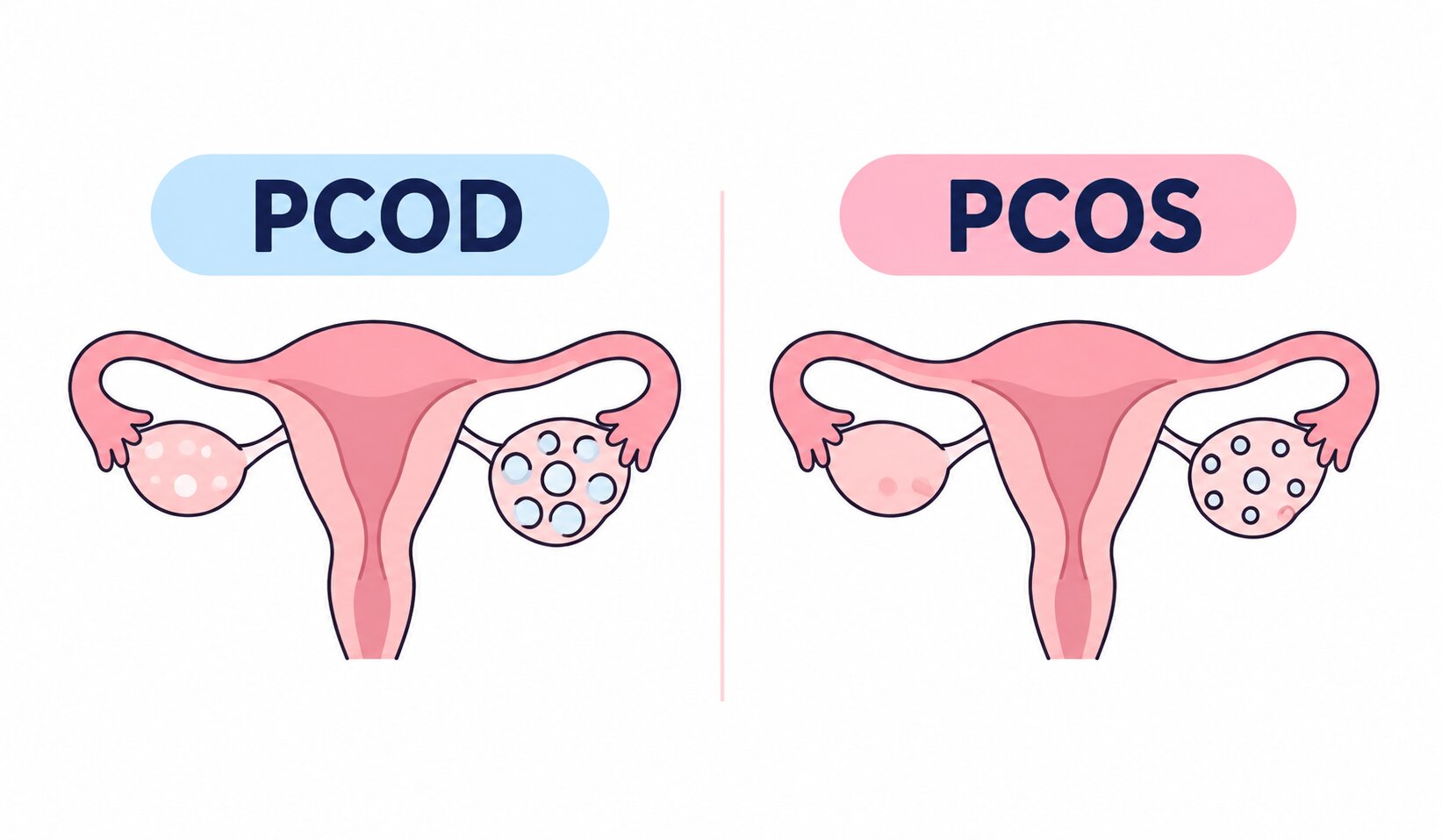
It can be very reassuring to have clear information about your periods becoming unpredictable and difficulties getting pregnant. ‘PCOD’ (Polycystic Ovarian Disease) is often used in India to describe changes to the ovaries.
However, internationally, the medical term for the complex hormonal disorder is ‘PCOS’ (Polycystic Ovary Syndrome). They are not always distinguished in medical guidelines and are seen as separate disorders, each having completely different symptoms and treatment approaches.
Take the example of PCOS. It usually causes issues like irregular ovulation, increased androgens, acne, increased facial hair, and insulin resistance. What matters here is that you and the person sitting beside may be diagnosed with this disease and yet have completely different symptoms.
Whilst the term PMOS (Polycystic Ovary Metabolic Syndrome) has been proposed to highlight the impact on your metabolism, it has not replaced PCOS in guidelines. Understanding your ovulation and personal requirements regarding your fertility is more important.
PCOS is common, with the World Health Organization estimating that it affects roughly 10–13% of women of reproductive age, and many go undiagnosed.
Is PCOD and PCOS same? What doctors say?
It makes sense that there is confusion between PCOD and PCOS, as different doctors (or websites) may use them interchangeably. However, PCOS is the clinically correct diagnosis globally, whilst PCOD is still a commonly used term in countries like India.
The medical guidelines do not have consistent definitions of PCOD and PCOS as separate diseases caused by different factors and of varying severity.
Your doctor will take this information into account along with your symptoms, hormone levels, period history, and metabolic health to help provide treatment recommendations. If you’re worried about your fertility, looking at your ovulatory patterns will be more important than what your diagnosis is.
PCOD vs PCOS symptoms: How to tell them apart
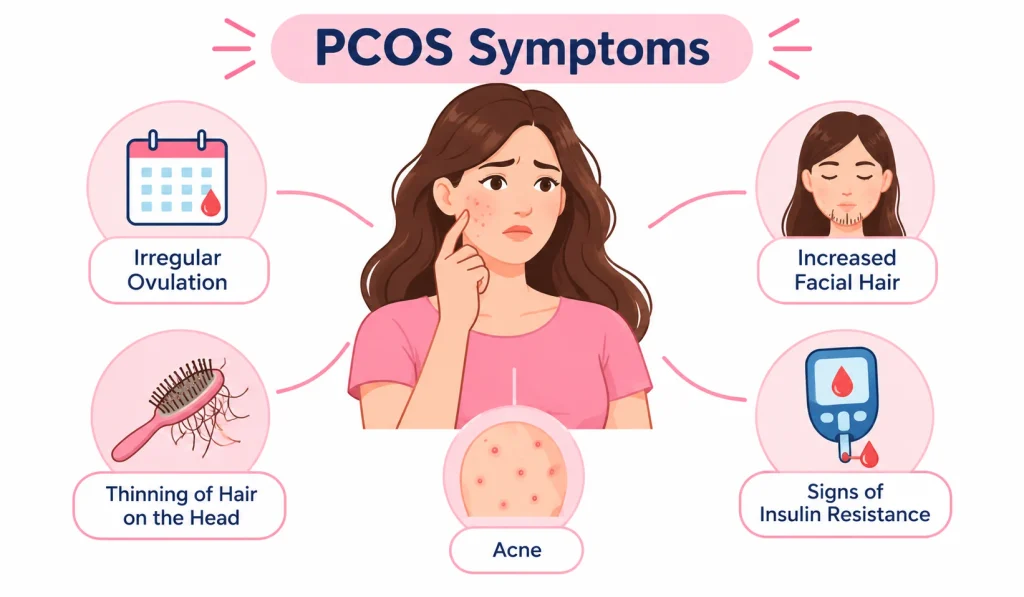
The body often tells us when something is wrong with the reproductive cycle, but what truly creates the confusion is that both physiological signals can be present with both conditions. That’s why you cannot actually flag them as reliable indicators. With PCOS, you may have symptoms like:
- Irregular ovulation
- Increased facial hair
- Thinning of hair on the head
- Acne
- Signs of insulin resistance
These can vary quite a bit, and having 1 or 2 symptoms does not necessarily mean you have PCOS. Your doctor will be able to look at your medical history, hormone levels, and appearance of your ovaries to help give you an understanding of what is happening and what you should do next.
How is PCOS diagnosed? Rotterdam criteria explained
When it comes to PCOS diagnosis, it’s not as simple as spotting a couple of ovarian cysts on an ultrasound. Every gynecologist considers multiple factors before reaching a conclusion. For adult females, the Rotterdam criteria are widely used to distinguish PCOS-specific symptoms, where your reproductive health needs to meet at least two out of the three below aspects:
- Irregular or infrequent menstrual cycles often indicate a lack of ovulation
- An ultrasound imaging revealing a higher number of small follicles in the ovaries, in addition to AMH level testing
- Blood tests can show elevated levels of androgens
What is the diagnostic approach for PCOD?
Your gynecologist will begin by asking more about your menstrual history and the current symptoms you are experiencing, whether it’s sudden acne breakouts before periods or irregularity in your cycles.
Based on your explanations, they will run a few blood tests to measure hormone levels. An ultrasound scan of your ovaries can help give a picture of what is going on. Thyroid problems or other hormonal issues can be ruled out using blood tests.
Imbalances such as high estrogen in females can also disturb cycles, which is why hormone levels are checked.
PCOD vs PCOS fertility: Does the label change your chances
Two women can receive the same diagnosis and yet have completely different fertility journeys. That’s why doctors always consider deciding factors like your age, ovarian reserve, organ anatomy, and your body’s ovulation pattern.
Only then can they identify what’s actually preventing you from conceiving naturally and start with the perfect treatment approach as suited. For a closer look, see how PCOS infertility and IVF pregnancy chances vary from person to person.
PCOD and pregnancy: What to expect
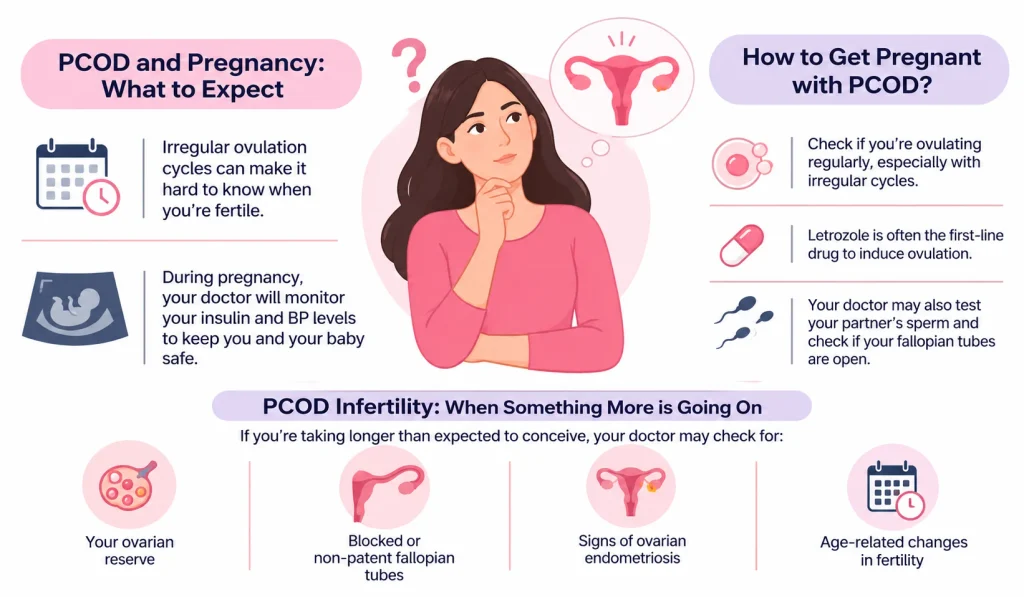
This can often cause irregular ovulation cycles, meaning it is almost impossible to know what months you are fertile. If you become pregnant whilst still suffering from PCOS, your gynecologist will carefully monitor both your insulin and BP levels to ensure they can intervene in a timely manner to ensure you avoid any risk of gestational diabetes or pregnancy-induced hypertension.
It should be noted, though, that there will not be any more risk to you personally than there would be if you had not been diagnosed.
How to get pregnant with PCOD?
If you have irregular cycles it is a good idea to talk to your gynaecologist to see if you are ovulating regularly. If you are diagnosed with Anovulatory Infertility (due to PCOS and there are no other factors) then the first-line drug to induce ovulation is usually letrozole.
If ovulation induction alone doesn’t work, intrauterine insemination (IUI) may be considered as the next step.Your doctor can also test your partner’s sperm and may want to look to see if your fallopian tubes are patent. Checking for sperm abnormalities in men helps rule out a male factor as well.
PCOD infertility: When something more is going on
There are many reasons why you could be suffering from irregular ovulation and infertility. If you are finding that you’re taking longer than expected to conceive, you should consult a professional to know if:
- Your ovarian reserve has depleted
- The fallopian tubes are blocked or not
- Potential signs of ovarian endometriosis
- Any age-related changes to your fertility
Several female fertility problems can overlap with PCOS, and many can be treated naturally or medically. Since age also plays a role, it helps to understand IVF success rates by age if treatment becomes necessary.
Managing PCOD vs PCOS: What changes
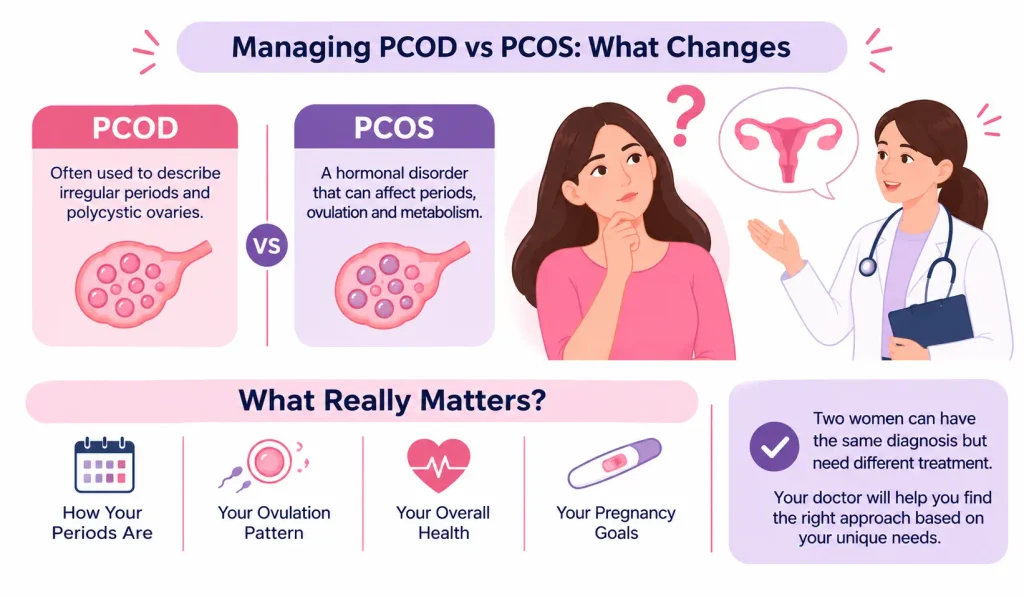
Sometimes PCOD and PCOS are thought to be different disorders. But there aren’t specific rules in medicine to say this. Most people in India refer to it as PCOD rather than PCOS. It’s really important to think about how much your condition is impacting your periods, ovulation, and overall health.
Two ladies can have the same diagnosis but require completely different treatment based on their symptoms and whether they wish to get pregnant. Your doctor will be able to help you with this.
PCOD or PCOS: When to see a specialist
Don’t just brush it off as a hormonal problem. If your periods are irregular, you get new facial hair or severe acne, or you’re having difficulty getting pregnant, you should see your gynecologist.
If you haven’t had a period for three months, then you should seek evaluation earlier to determine the cause of your symptoms and reduce any unnecessary delay in treatment. If you have been trying to conceive for a while, this guide on when to see a fertility specialist explains the usual timelines.
Why choose Puja IVF for PCOD and PCOS fertility treatment?

If you’re having issues with inconsistent ovulation, it’s important to choose a fertility team who can provide you with holistic fertility treatment. At Puja IVF, we provide bespoke fertility treatment based on your medical history, hormone levels, and fertility goals. Our specialist team will give you an understanding of your options moving forward.
Conclusion
It is important to know about your fertility. If you have been diagnosed with PCOD/PCOS by your doctor, it will help to know how you are ovulating, what your hormone levels are, and how well your reproductive system is working so that you can get the correct treatment.
Many women with PCOS become pregnant either naturally or with assistance. When simpler measures don’t work, in vitro fertilization (IVF) may be considered, and IVF vs IUI treatment explains how the two differ. If you are trying for a baby, then undertaking a fertility check at the right time may help you put a plan in place.
FAQs
1. Is PCOD a lifetime condition?
PCOS is chronic and has no permanent cure, but symptoms can be controlled with lifestyle changes and medical care. They can also change over time.
2. Is PCOS a high-risk pregnancy?
PCOS is linked to a higher chance of gestational diabetes and high blood pressure in pregnancy. This is why blood sugar and blood pressure are monitored closely, and most women with PCOS still have healthy pregnancies.
3. Why is it harder to get pregnant with PCOS?
PCOS often disrupts regular ovulation, so releasing an egg each month becomes unpredictable. It is also worth checking other factors such as tubal health, sperm quality and ovarian reserve.
4. Has PCOS been renamed?
Yes. In May 2026, an international consensus renamed PCOS as polyendocrine metabolic ovarian syndrome (PMOS). Guidelines and diagnoses still use PCOS for now, and an existing diagnosis remains valid.
5. Why was PCOS renamed?
Experts said the old name was misleading. It suggested ovarian cysts were the cause, when the condition involves hormones and metabolism across the body. The name was also linked to delayed diagnosis and fragmented care.