Can I conceive naturally with irregular periods? Has this question ever crossed your mind? Couples find it difficult to predict their fertile days because of irregular periods. And making it hard to understand when ovulation is happening. This can be due to an underlying condition called PCOS(Polycystic Ovary Syndrome). Did you know PCOS and Infertility …
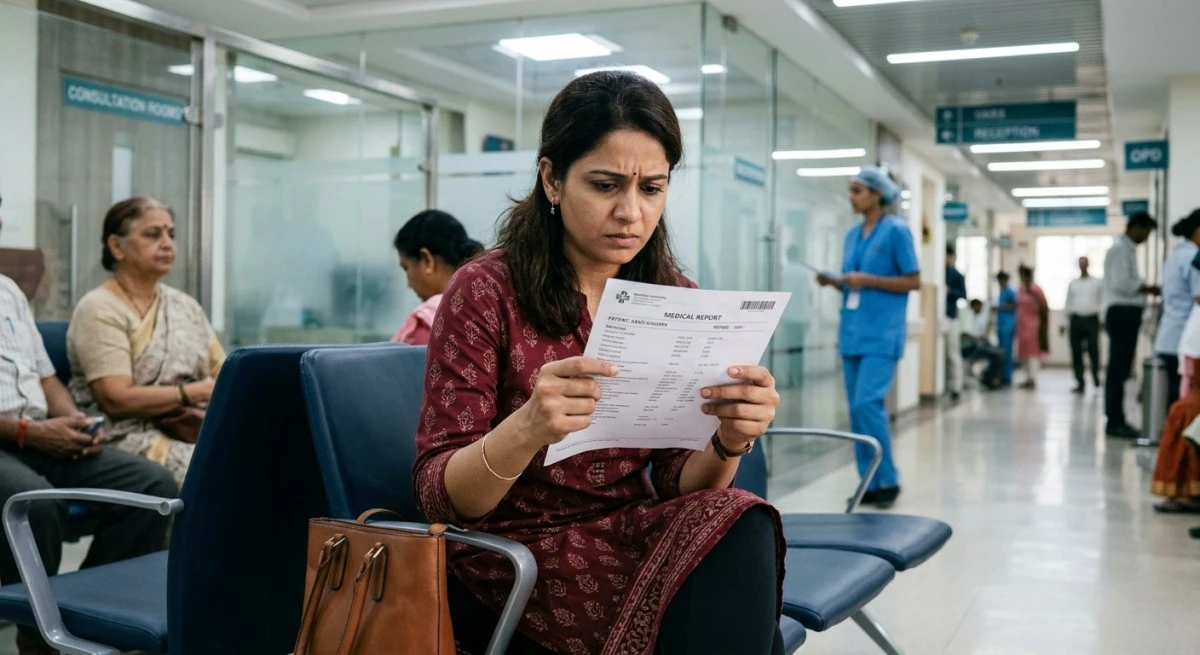
Can I conceive naturally with irregular periods? Has this question ever crossed your mind? Couples find it difficult to predict their fertile days because of irregular periods. And making it hard to understand when ovulation is happening. This can be due to an underlying condition called PCOS(Polycystic Ovary Syndrome).
Did you know PCOS and Infertility are connected and make it the most common cause of female infertility in India? Imbalance in female hormones and ovulation problems are associated with lower chances of pregnancy.
However, modern treatments like IVF are an effective solution. IVF helps to achieve a successful pregnancy in women with PCOS or PMOS.
What is PCOS?
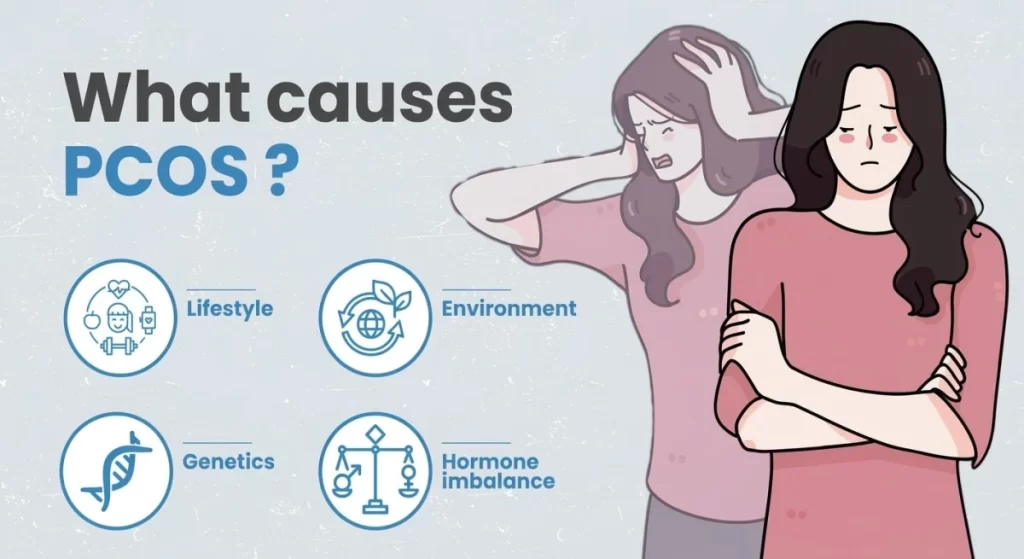
PCOS (Polycystic Ovary Syndrome) is a common hormonal condition that affects how your ovaries work. In this condition, your body produces higher levels of male hormones (androgens), which disturb the natural balance of female hormones.
Because of this imbalance, your ovaries may not release eggs regularly, leading to irregular periods and difficulty in ovulation. Instead of one mature egg, multiple small immature follicles may form in the ovaries.
PCOS is not just a reproductive issue; it is also linked to lifestyle and metabolic factors like insulin resistance, which further affects fertility over time.
PCOS Has a New Name: PMOS
Here’s something worth knowing that: in May 2026, a global panel of researchers, doctors, and patient groups officially renamed PCOS to Polyendocrine Metabolic Ovarian Syndrome (PMOS), following a consensus study published in The Lancet.
The name change reflects something many patients already sense: that PCOS was never just an ovarian issue. It’s a whole-body hormonal and metabolic condition, and the new name captures that more accurately.
For now, “PCOS” remains the term most people recognise and search for, so you’ll see both used, sometimes together as PCOS (PMOS), while awareness of the new name grows.
PCOS and Its Impact on Fertility
As per the World Health Organization (WHO) reports PCOS affects 10-13% of women worldwide.
In India, as per research, PCOS awareness is very low. This is often due to a lack of awareness or a delayed diagnosis. This can impact fertility outcomes.
Many women know the reality of PCOS when they are trying for a baby and face repeated failure. After this, a common question arises: Can PCOS cause infertility? The answer is yes.
So, understanding how the early PCOS symptoms often go unnoticed and how it causes fertility issues is important.
Early PCOS Symptoms
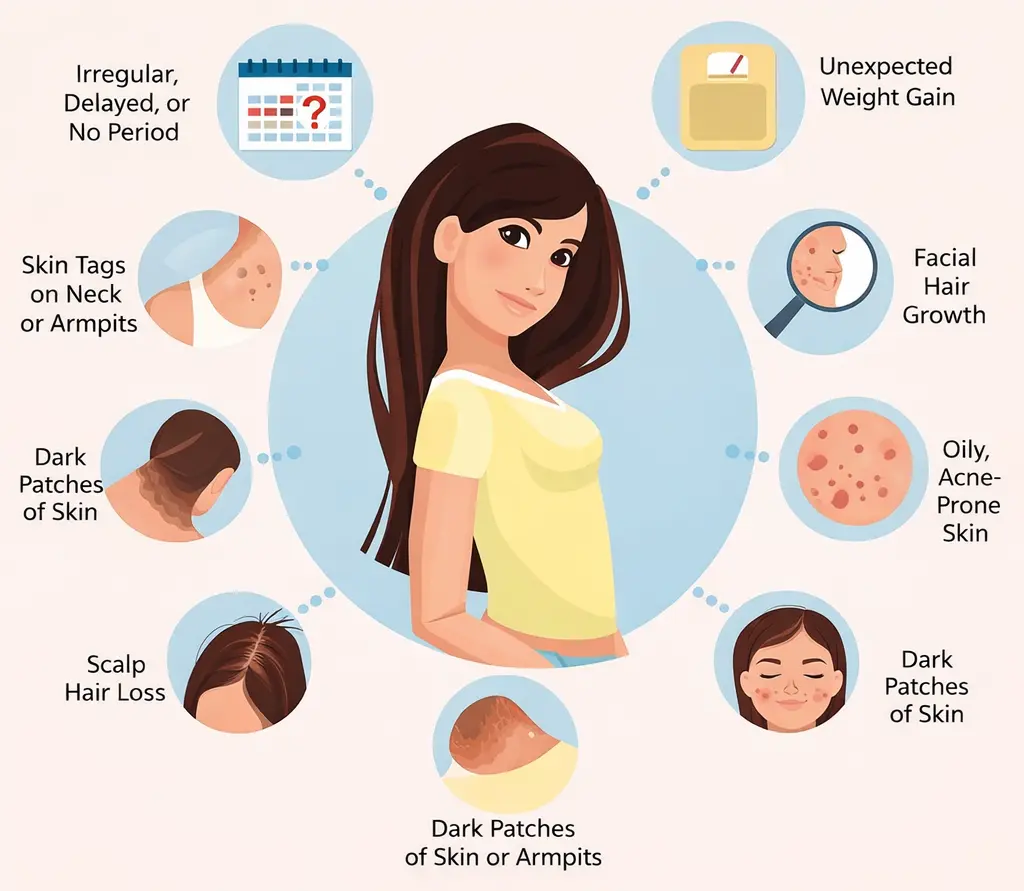
The most common PCOS symptoms are as follows:
- You notice an irregular period or delay, or no period.
- Your weight has increased unexpectedly.
- Excess hair growth on your face, especially on the chin area.
- You have Oily and acne skin.
- Dark patches of skin on your neck, armpit, between the legs (groin) and under your breasts. This condition is called acanthosis nigricans.
- Harmless skin growth (skin tags) found in your armpits or neck.
- You experience hair loss mostly on your scalp.
Sometimes, these symptoms also overlap with other conditions. That’s why proper medical diagnosis is important.
Can Women with PCOS Get Pregnant?
If you are diagnosed with PCOS, it does not mean you can not get pregnant. But yes, it may take time and need medical help. Irregular periods and ovulation make the process slower, but women with a mild condition may conceive naturally.
However, if you have a severe PCOS condition, you need fertility treatment support. This improves ovulation through ovulation-inducing medicine. Other assisted reproductive technologies increase the success rate of getting pregnant.
Till now, we understand PCOS and Infertility but how does PCOS cause infertility? Let’s understand in simple terms.
How PCOS Causes Infertility
Think of PCOS as a communication error between your brain and ovary. Your brain normally sends signals to your ovary to start producing eggs.
But in PCOS, insulin resistance causes more production of the insulin hormone in your body. High insulin levels impair your ovaries’ function. Leading to overproduction of androgen, called the male hormone. This is due to a hormonal imbalance.
Many eggs start to grow at the same time, but this mix signals that eggs do not reach maturity. Instead of a mature egg, they end with multiple small immature follicles.
Ovulation problems cause no egg release, called anovulation. If eggs are absent, how do sperm fertilize them?
In some conditions, eggs may be released, but they have poor quality. Eggs that are of poor quality may have genetic abnormalities, decreased fertility, and not implant properly.
All these factors make conception difficult and gradually progress into infertility.
Fertility Treatment Options for Women with PCOS
Fertility treatment for women with PCOS starts with lifestyle changes. Diet, exercise, maintain weight help you normalize your hormones and improve ovulation.
If you still struggle with natural conception, we recommend ovulation induction medications that help in releasing an egg from your ovary.
Sometimes ovulation occurs in your case, but pregnancy does not occur. We advise procedures like intrauterine insemination (IUI) to achieve pregnancy. Plus, understanding the difference between IUI and IVF can help you choose the right treatment based on your condition.
IVF becomes a final option for women with severe infertility. It is an advanced form of assisted reproductive technology for PCOS. In some cases, advanced techniques like intracytoplasmic sperm injection (ICSI) may also be recommended to improve fertilisation outcomes.
Let’s look at IVF for women with PCOS and the IVF success rate for PCOS.
IVF Success Rates for Women with PCOS
IVF bypasses your ovulation problems by fertilizing eggs outside the body and transferring healthy embryos into your uterus. And here’s some encouraging news that: across multiple clinical studies, IVF success rates for women with PCOS are generally comparable to and in some cases even slightly better than those of women without PCOS.
On average, clinical pregnancy rates per IVF cycle for PCOS patients under 35 typically range between 35% and 45%. This is largely because PCOS is associated with a strong ovarian reserve, which usually means more eggs are retrieved per cycle compared to women without the condition.
At Puja IVF Fertility Center in Patna, we’ve seen that younger women generally have the best IVF outcomes with PCOS. As age increases, success rates gradually decline, a pattern seen across almost all fertility treatments, not just PCOS. Body weight, hormonal balance, insulin resistance, and lifestyle also play a role. Several factors can influence IVF success, including age, weight, and hormone balance.
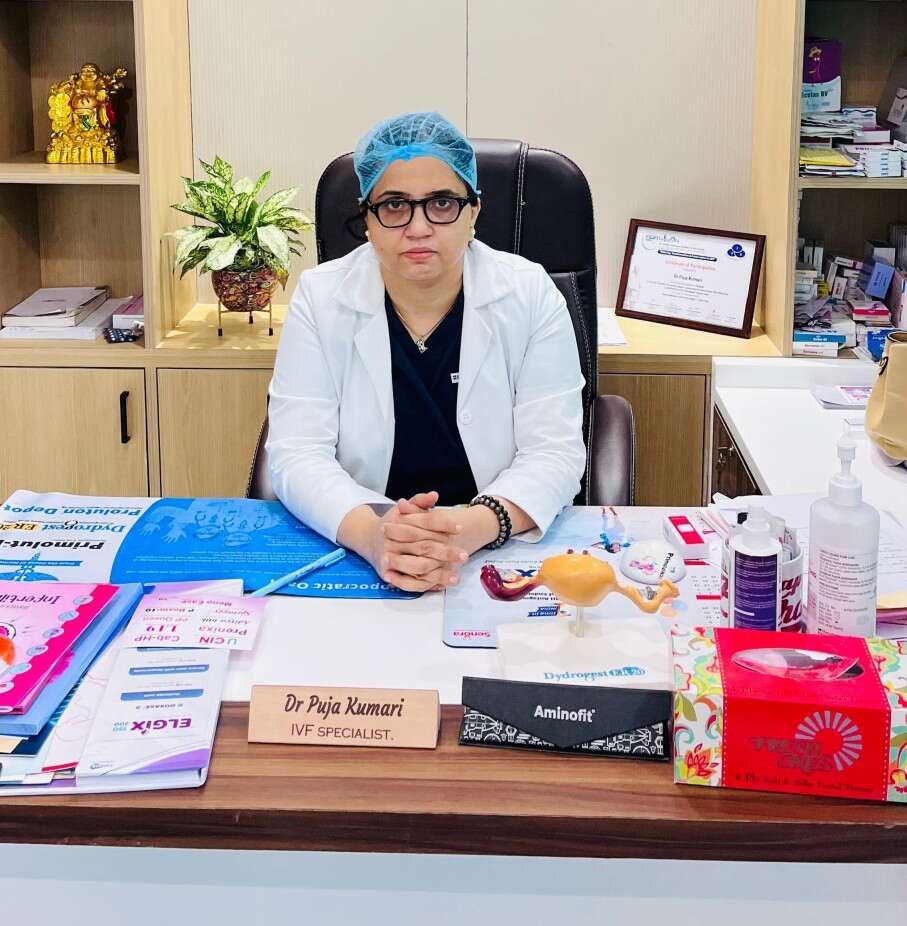
According to Dr Puja Kumari, Director of Puja IVF Fertility Centre:
“ With proper treatment and close monitoring, women with PCOS can achieve healthy and successful pregnancy outcomes through IVF.”
Tips to Improve IVF Success with PCOS
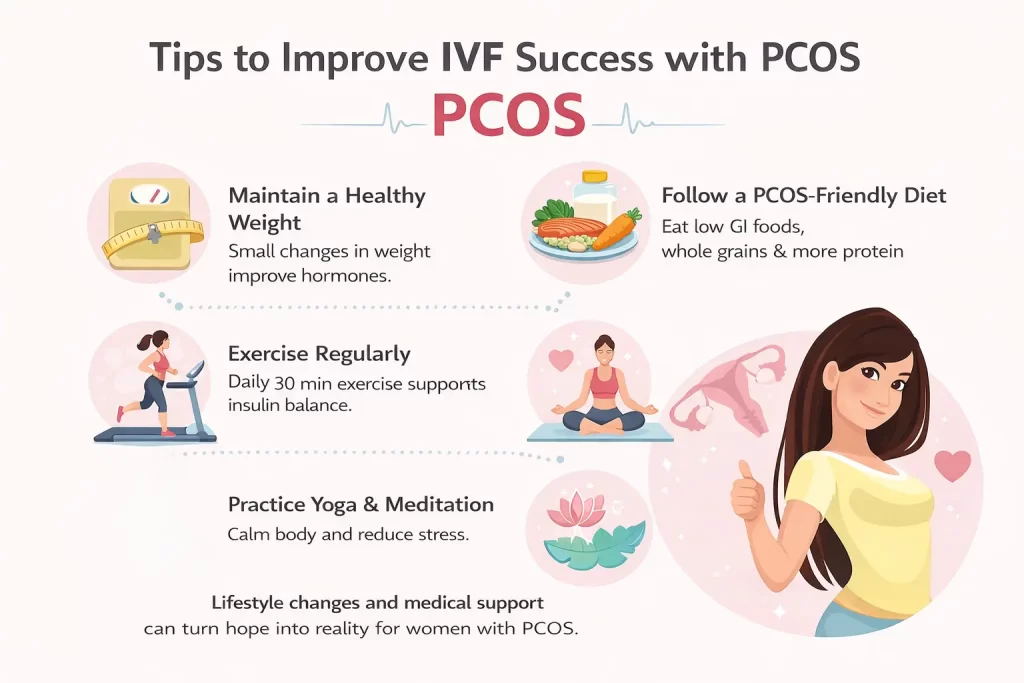
PCOS is a lifestyle condition, so if you want to improve IVF success, you should follow these steps:
- Maintain a healthy weight because small changes in weight improve your hormones.
- Follow a PCOS-friendly diet, such as low glycaemic index (GI) foods, whole grains and more protein. These foods improve your egg quality and fertility.
- Daily 30 min regular exercise supports your insulin balance and overall health.
- Yoga and meditation can calm your body and reduce stress.
With the right lifestyle changes and medical support, IVF can turn hope into reality for women with PCOS.
When Should You Consider IVF for PCOS?
If you have PCOS, it is normal to think about your next move. Many women get pregnant through easy lifestyle changes. But you consider IVF for PCOS in certain conditions.
- You try ovulation medication, but it fails after several cycles.
- If you have faced infertility for more than one year.
- If you are over 35, it is advisable to consider IVF sooner to avoid age-related declines in egg quality.
- When your hormones are highly imbalanced due to severe PCOS.
- If you have already tried treatments like IUI multiple times without success.
Remember, IVF is not the first step, but it is a good option when other methods fail. Egg freezing or fertility preservation is another option for women with PCOS who want to delay pregnancy without affecting egg quality.
Why Women with PCOS Trust Puja IVF Fertility Center

For women suffering from PCOS, we provide complete treatment that helps them achieve the best results. Our Dr Puja Kumari and team of experts in IVF treatments and the latest technology, provide medical and emotional support to patients.
PCOS does not mean infertility forever. With IVF, women have real chances of achieving pregnancy. With the right support, hope and parenthood remain possible.
FAQs
1. Can PCOS cause infertility?
Yes, PCOS is one of the most common causes of female infertility. It affects hormone levels and disrupts ovulation, making it difficult to conceive naturally.
2. Can women with PCOS get pregnant naturally?
Yes, women with mild PCOS can conceive naturally with lifestyle changes and proper medical guidance. However, some may need fertility treatments depending on their condition.
3. How does IVF help women with PCOS get pregnant?
IVF bypasses ovulation issues by fertilizing eggs outside the body and transferring healthy embryos into the uterus, significantly improving pregnancy chances.
4. What is the success rate of IVF in PCOS patients?
IVF success rates in women with PCOS are generally good and range between 35% and 45%, especially in younger women. Factors like age, weight, and hormonal balance play an important role.
5. When should I consider IVF if I have PCOS?
You should consider IVF if ovulation medications fail, you have been trying to conceive for over a year, or other treatments like IUI have not been successful.
6. Why was PCOS renamed to PMOS?
In May 2026, a global panel of medical experts renamed PCOS to Polyendocrine Metabolic Ovarian Syndrome (PMOS) to better reflect that it’s a whole-body hormonal and metabolic condition, not just an ovarian one. PCOS is still the widely recognised term, so both names are currently used.
7. Is IVF safe for women with PCOS?
Yes, IVF is considered safe for PCOS patients, though they do carry a slightly higher risk of Ovarian Hyperstimulation Syndrome (OHSS) due to their strong ovarian response to stimulation medication. At Puja IVF Fertility Center, we closely monitor hormone levels throughout the cycle to reduce this risk and keep treatment safe.
8. Does PCOS affect egg quality during IVF?
PCOS itself doesn’t necessarily lower egg quality, and women with PCOS often produce more eggs per cycle due to a stronger ovarian reserve. However, factors like insulin resistance, weight, and hormonal imbalance can affect egg quality over time. This is why lifestyle management alongside IVF treatment matters for better outcomes.